Jump to main content
Velvetmirror — a time-loop mystery game built around narrative
10

Time Loop Mystery

Ten minutes. Dozens of loops. One truth.

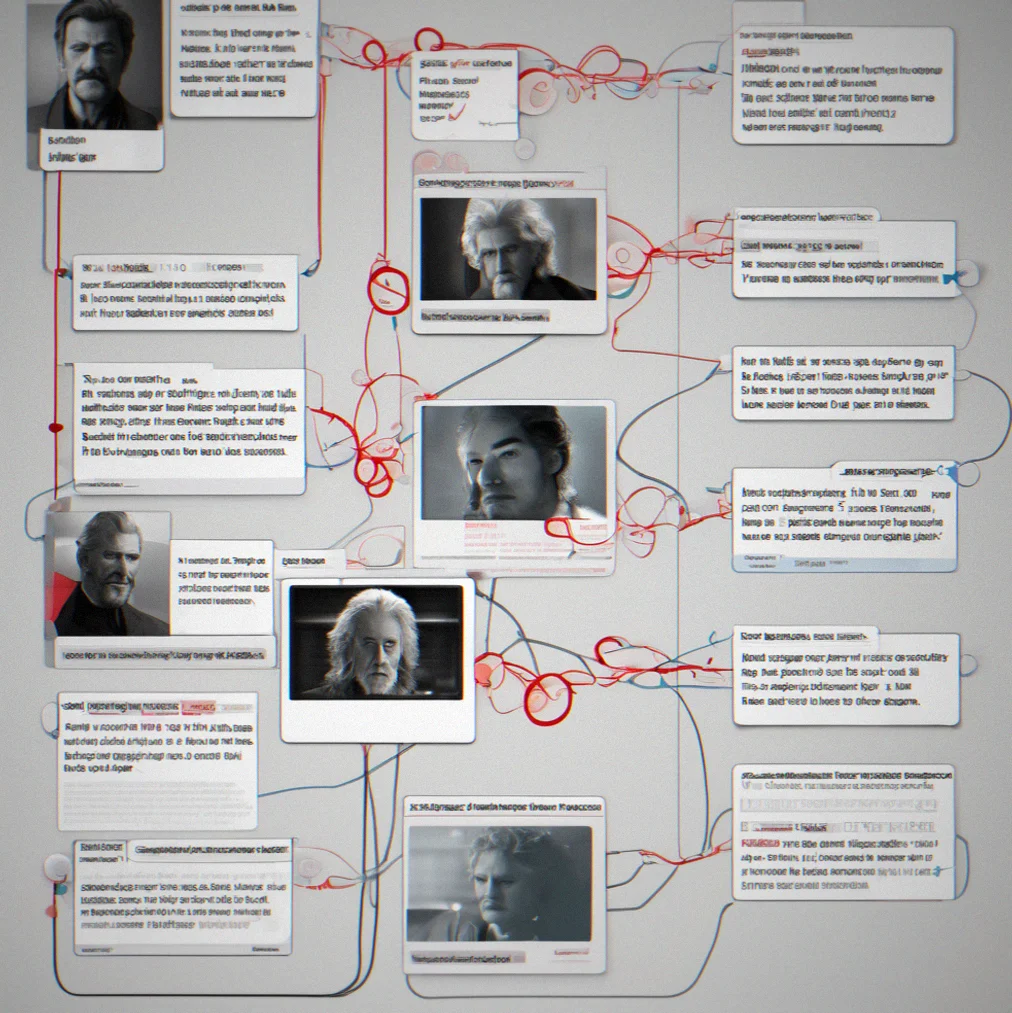
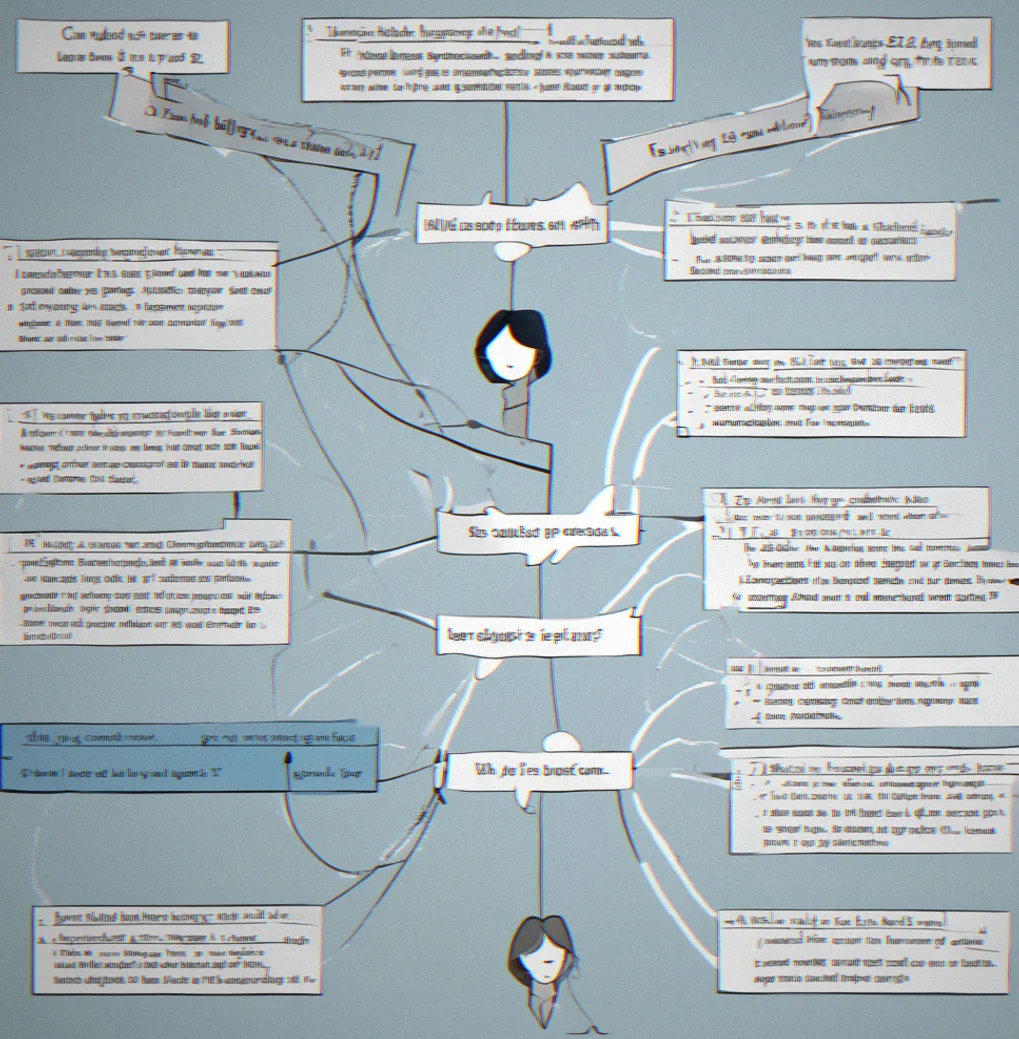
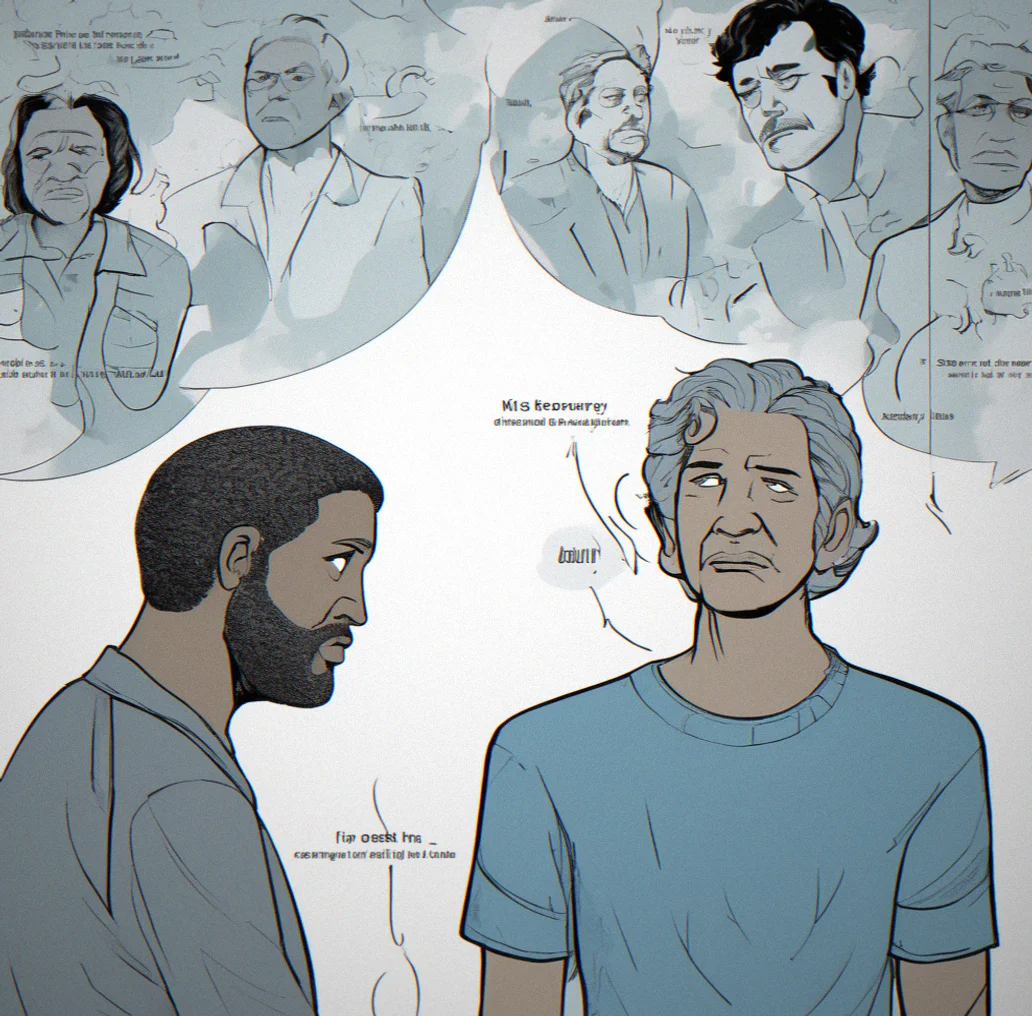
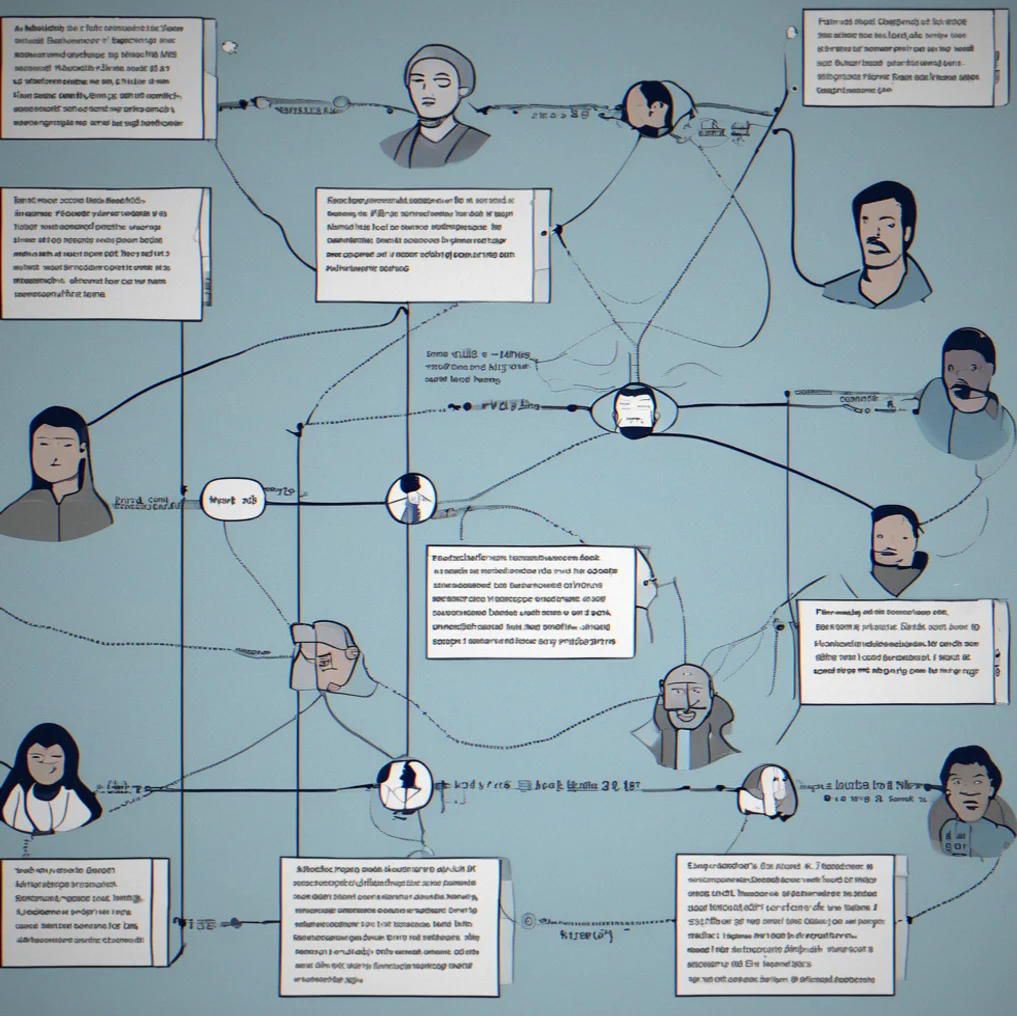
A shadowy interface showing branching dialogue trees with overlapping timestamps and handwritten notes scattered across a dark background

Watch for contradictions as you replay the same moments. Figure out what the NPCs are hiding and find the story they're keeping from you.

Velvetmirror doesn't spell things out. You run through the same ten minutes over and over and each time you spot something new—a dialogue path you skipped, something an NPC said that contradicts what they told you three loops back, a detail in what they deliberately left out. You write it down. You compare notes. You build a timeline manually, jumping between moments that don't line up.

Most people get through it in somewhere between 8 and 20 hours depending on how far they're willing to go. Some call it done after the first ending. Others chase all seven, betting there's more if they keep digging. The game actually rewards that kind of persistence.

Played Outer Wilds or 12 Minutes but wished you were doing detective work instead? Wanted to actually track what NPCs say, catch them in contradictions, and use logic to unlock new paths? This one's designed for that.

Start Your First Loop

How the Loop Logic Actually Works

A timeline interface showing overlappung dialogue snippets from different loops, with contradicting statements highlighted in red and connected by dotted lines
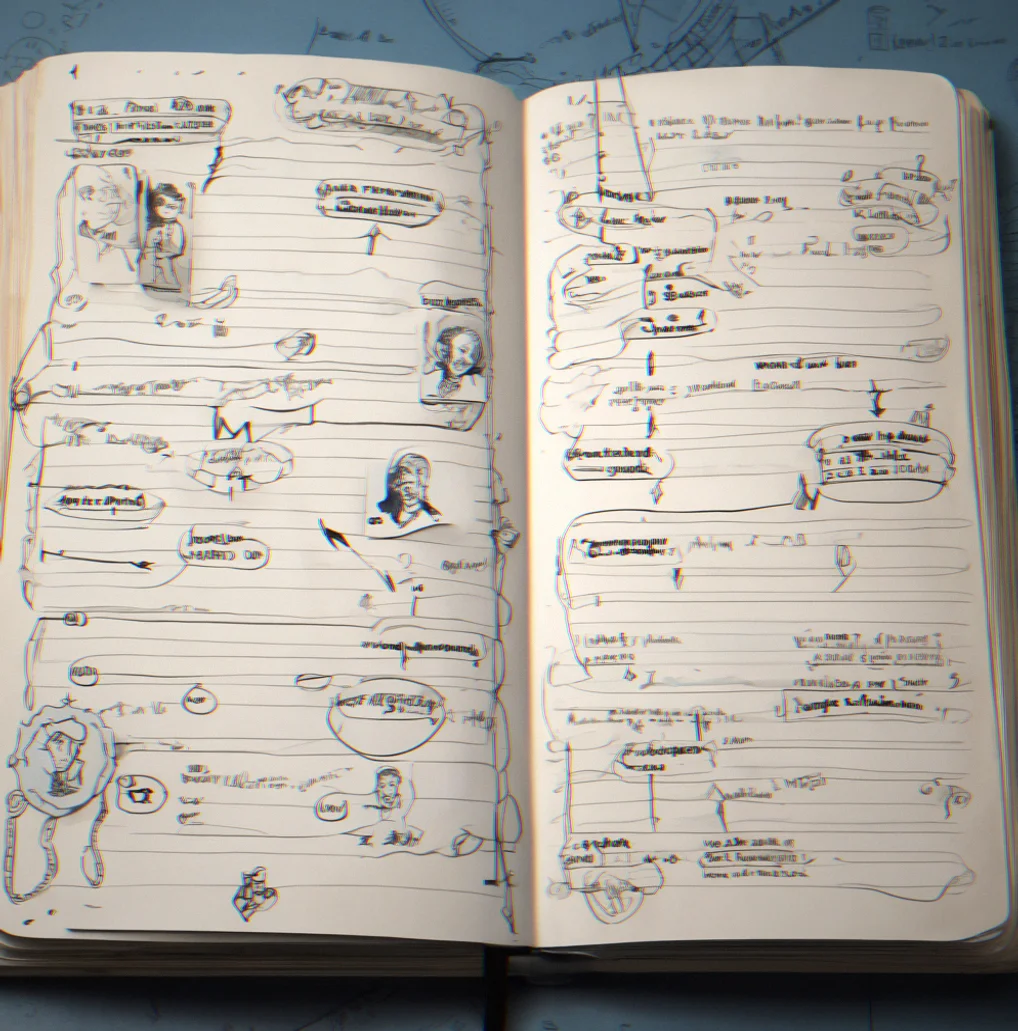
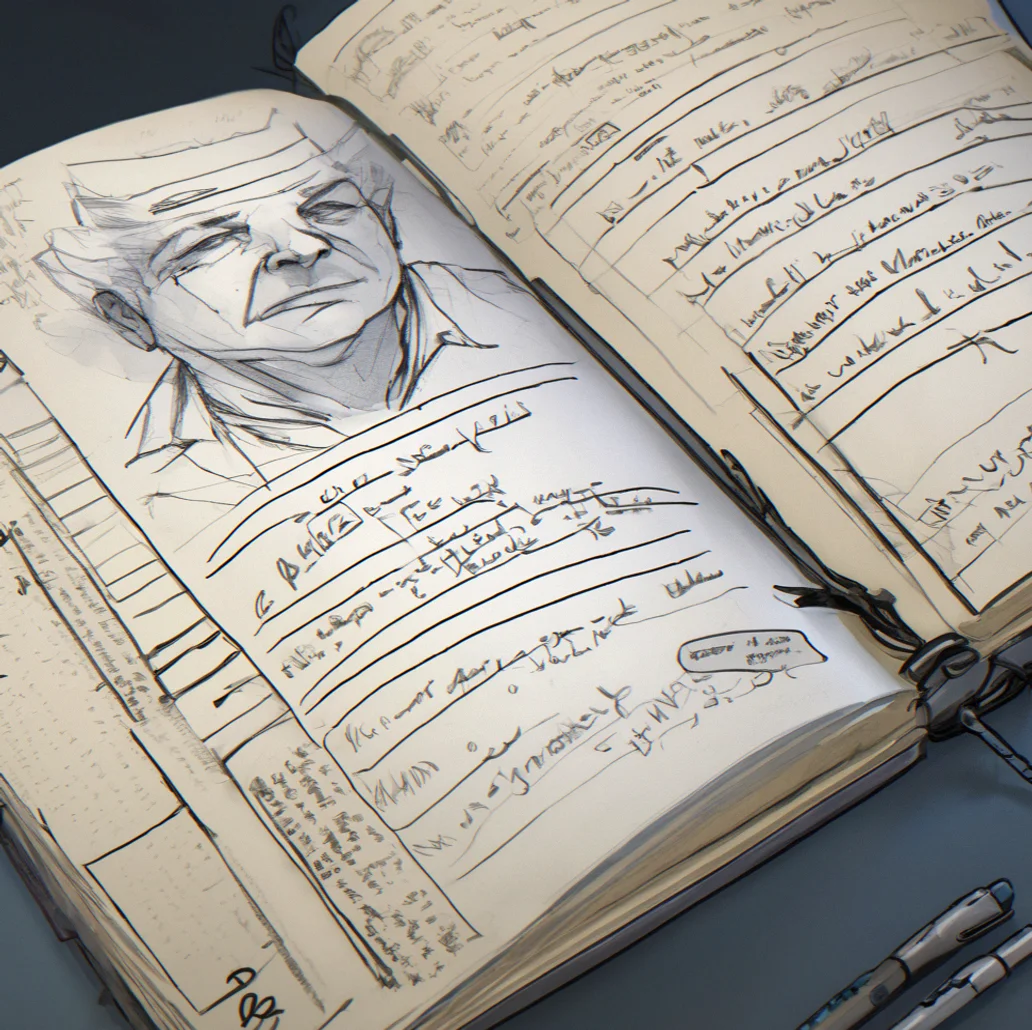
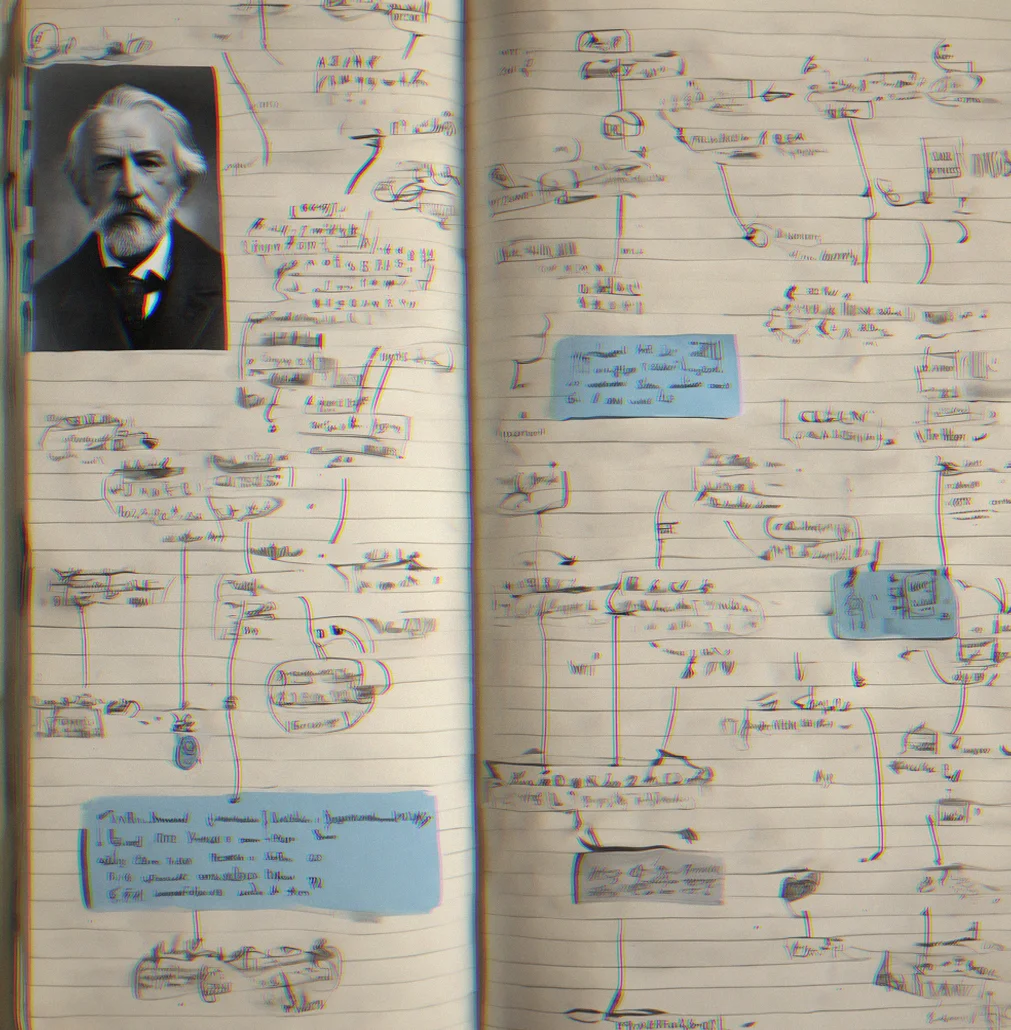
A player's notebook with handwritten notes, character names, loop numbers, and a web of arrows connecting different story clues and deductions

You hit loop 3 and think you've got it all figured out. Then loop 12 comes around and that NPC who seemed so consistent suddenly says something completely different—not because the game shifted on you, but because you've already done something they remember. That contradiction right there, that's your puzzle. You track it down. You figure out why they're lying.

Persistent NPC Memory

Every NPC keeps track of what you've done from one loop to the next. You ask them about something in loop 5, and when loop 18 rolls around their answer's changed because they watched where you went poking around. Their dialogue branches based on your actions and what they've picked up from all those previous cycles.

Manual Timeline Building

The story doesn't unfold in order. A clue you find way later in loop 23 suddenly makes sense of something you heard back in loop 3. You have to piece the timeline together yourself by comparing what people told you, spotting the contradictions, and working backwards to figure out what actually went down. You'll see most players hunched over spreadsheets or scribbling in notebooks.

Hidden Dialogue Trees

Dialogue options open up based on what you've already figured out or noticed. Ask the wrong thing and you get some bland generic response. But if you ask the right question because you've connected three totally unrelated clues together, the NPC will actually let down their guard and tell you what they've been hiding.

No Fail States

You won't accidentally lock yourself out of story content. Missed something important? Just loop again. It's still there waiting for you. The game doesn't punish you for missing an observation, only rewards you when you stick with it and take decent notes.

The repetition isn't just filler. It's how the game trains you to notice what's actually changing versus what stays the same. Some people find it really meditative. Others find it exhausting. Both of those reactions are kind of the whole point.

Inside the Loops

The interface. The contradictions. Those moments where you stop observing and start piecing things together. Nine hours of replaying the same ten minutes.

A dialogue interface showing what an NPC said in loop 7, then what they said in loop 19 about the same thing. Both have timestamps.

Loop 7 vs Loop 19: Same Question, Different Answer

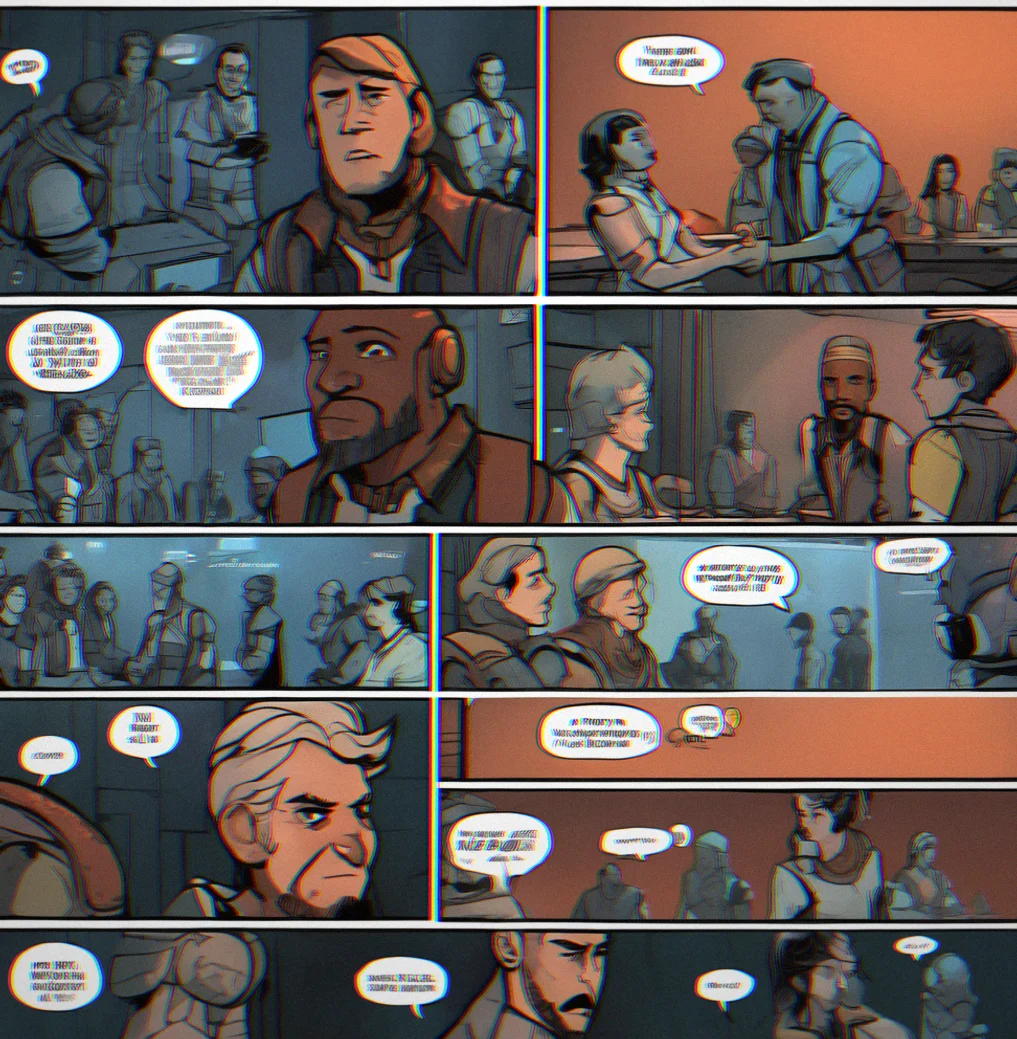
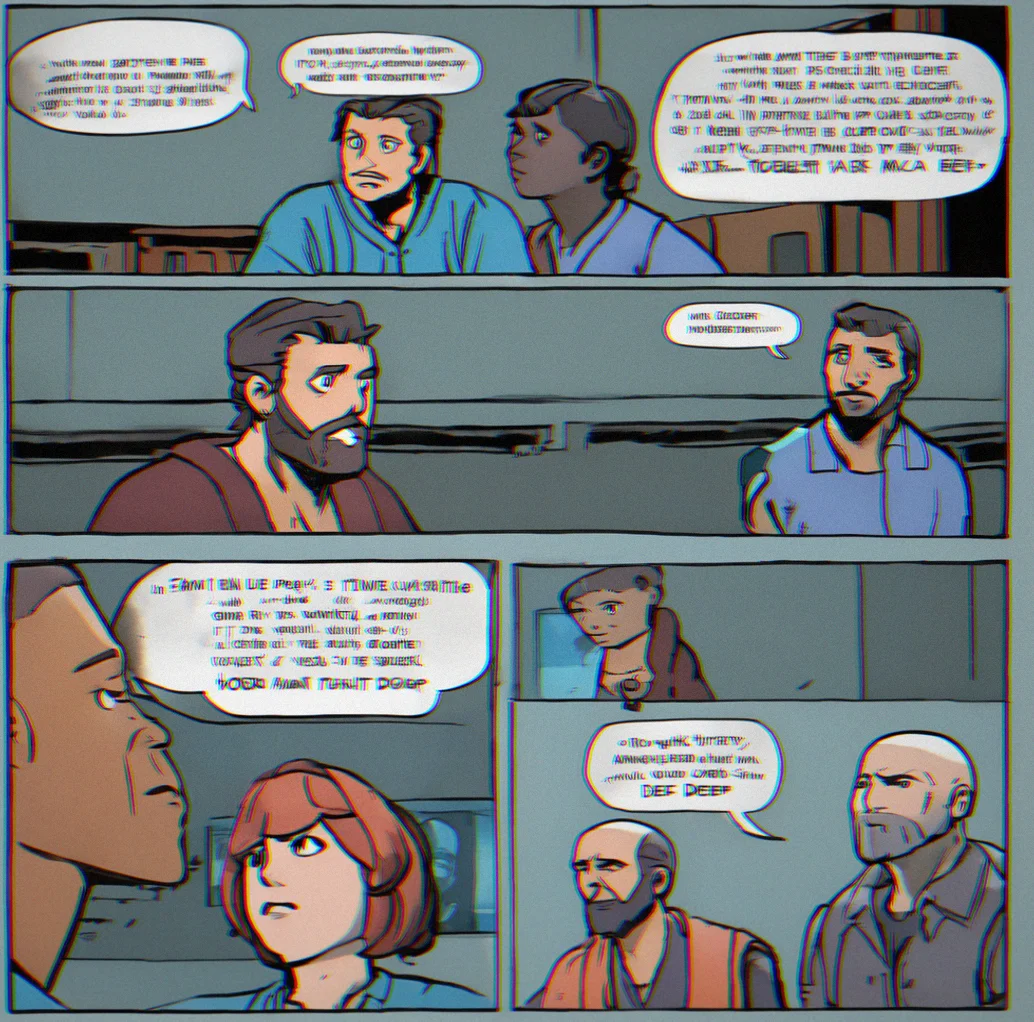
Dark room with multiple NPCs at different spots, each one has a speech bubble saying something different about what happened

Four Witnesses. Three Different Stories.

A player's notebook full of character names written in, timeline stuff, arrows connecting clues, and notes in the margins like 'Wait, this contradicts loop 12'

What Your Notebook Looks Like by Loop 15

Dialogue tree showing how one question opens up three new responses, each leading somewhere completely different in the story

One Right Question. Three New Branches.

Timeline UI with events from loops 3, 8, 14, and 22 lined up in order. Gaps show What you haven't Found yet.

The Timeline You Build. Not the One the Game Hands You.

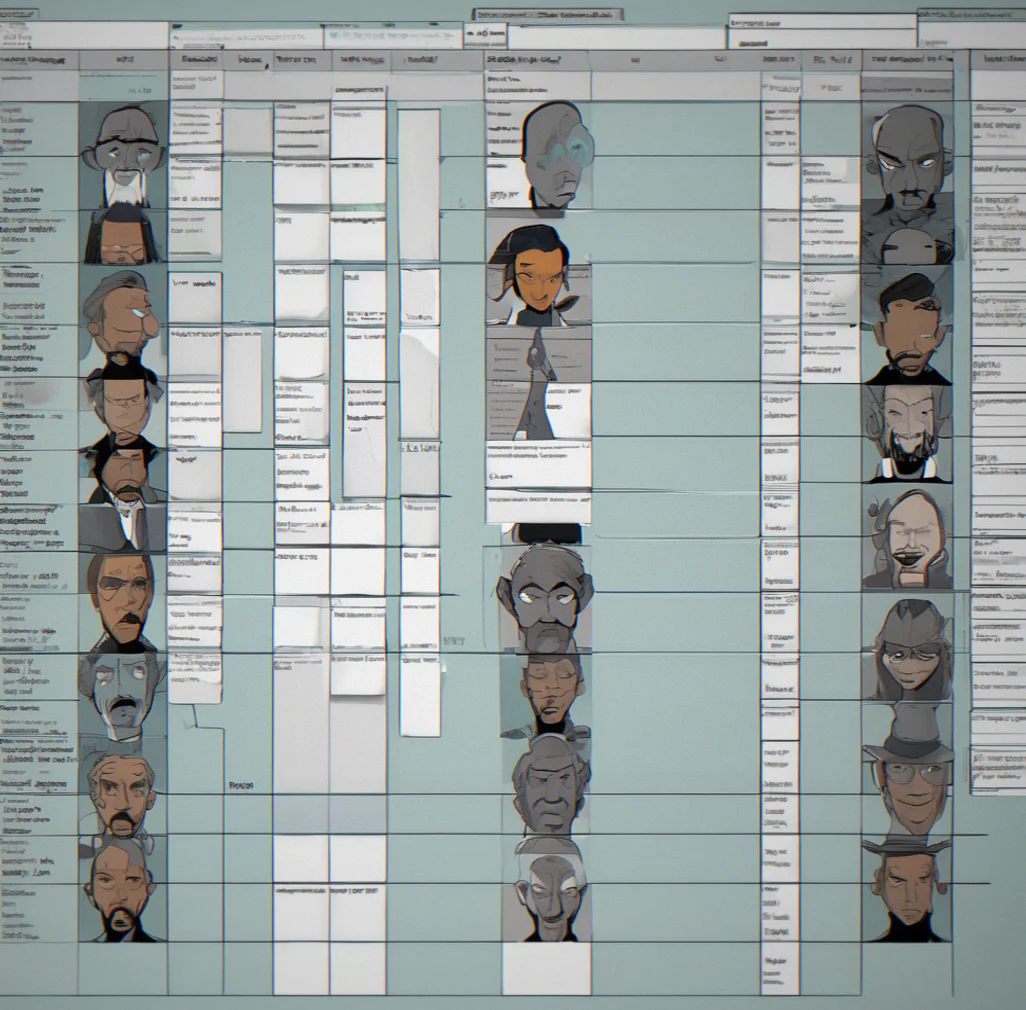
A spreadsheet tracking NPC statements across fifteen loops, with columns for loop number, character name, dialogue text, and notes flagging contradictions in red

A spreadsheet tracking NPC statements across fifteen loops, with columns for loop number, character name, dialogue text, and notes flagging contradictions in red

The same ten-minute environment from four different loops, showing subtle changes in NPC positions, new dialogue options and details only visible if you know where to look

The same ten-minute environment from four different loops, showing subtle changes in NPC positions, new dialogue options and details only visible if you know where to look

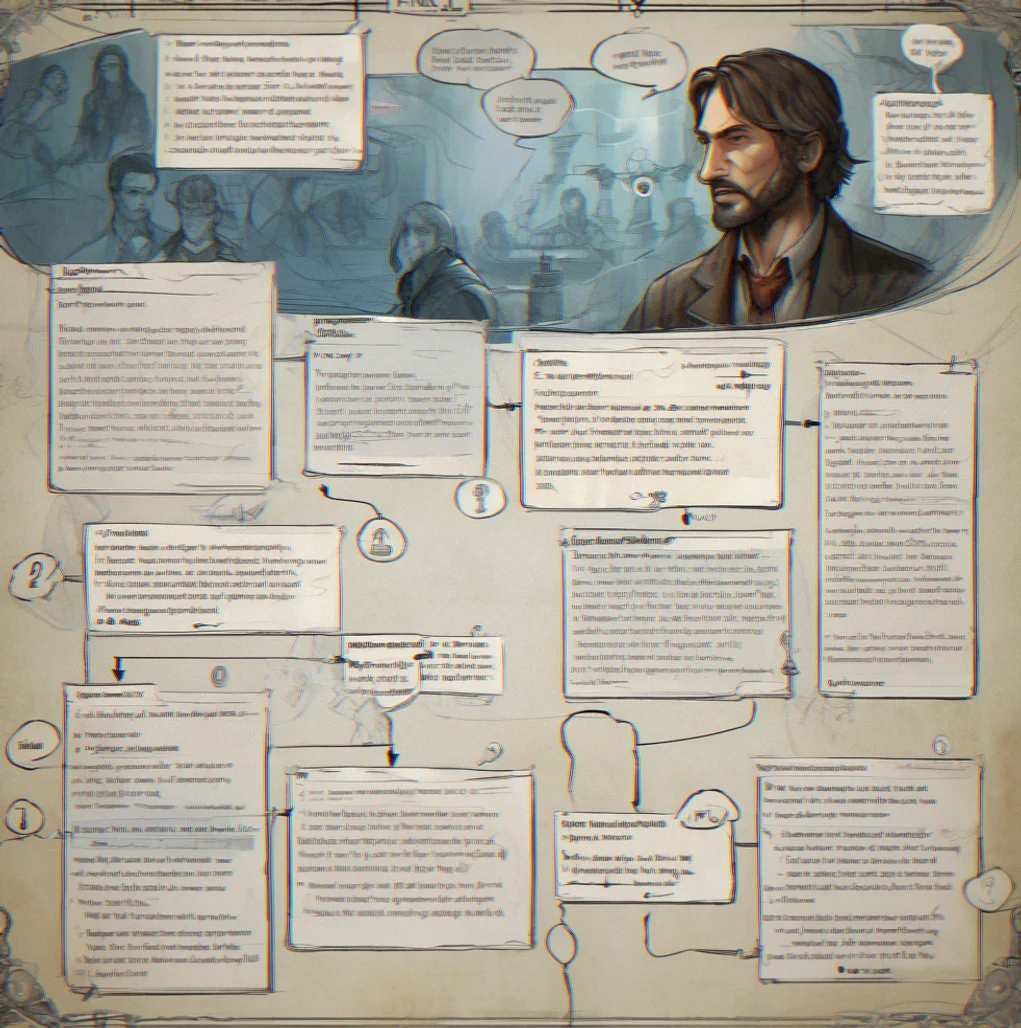
A branching narrative diagram showing how one dialogue choice in loop 12 unlocks completely different story paths in loops 18 and 22

A branching narrative diagram showing how one dialogue choice in loop 12 unlocks completely different story paths in loops 18 and 22

Game Design

Why Replayability Matters Here

Most games make you replay sections when you die or fail an objective. Velvetmirror works differently. You replay because something didn't add up. The first loop feels padded—lots of setup, NPCs discussing everyday stuff, the world explaining itself. By the eighth loop, you catch that throwaway line from loop 2 contradicting something they just said, and now you're digging through your notes trying to figure out who's lying.

There's no completion tracker. No quest markers, no objectives, no progress bar. You choose when you're done. Some players wrap up around eight hours with one ending. Others sink twenty hours chasing three more endings they haven't found, convinced the contradictions they've documented add up to something the game hasn't shown yet.

Ten-minute cycles aren't wasted time. They're the pressure. In a regular mystery, the detective has as long as they need. Here you get ten minutes before everything resets. That changes how you move. You stop wandering and start picking which NPCs matter, which conversation threads to pull, which lies to chase down.

Persistent Contradiction Tracking

NPCs lie. They say different things across loops depending on what they've seen. You piece together which statement is false and why they're hiding something.

Non-Linear Story Assembly

The story doesn't unfold in order. A clue from loop 20 changes what you understood from loop 3. Building the timeline is on you. The game rewards note-taking and making connections.

Unlockable Dialogue Depth

What NPCs will say depends on what you've figured out and what you've already done. Ask the right question after connecting the right dots, they open up. Ask wrong, you get a brush-off.
Player Experience

What Seven Endings Actually Means

Seven endings sounds impressive until you realize they're not just slight variatinos of the same thing. Each one depends on which contradictions you've figured out and what deductions you've made. You could finish one playthrough understanding what the main NPC was hiding. Next time through, you chase a completely different thread and unlock dialogue options that were blocked before. Ten minutes. Different story.

Most people see the first ending around hour 8 and call it done. But plenty keep going because they've spotted something that doesn't add up or they're missing a piece and it's bothering them. They need to know. The game won't shove achievement notifications at you or pretend you're incomplete if you stop. It just lets you keep digging if that's what interests you.

Time-loop games usually lean on the mechanic as a novelty. This one makes it the foundation. The ten-minute cycle isn't a reset button. It's how the story is actually built. NPCs, contradictions, dialogue branches—all of it fits inside that window. You're not looping to speedrun or farm resources or anything mechanical. You're going back because each cycle reveals something about the world and the people in it and what they're keeping from you and why.

3
Evidence Collected
7
Threads Explored
Cycles Recorded

How This Works

Five things you should know before you jump in.

#01

Ten Minutes Per Loop

Every cycle runs for ten minutes. That's your timer. There's no wandering around indefinitely — you have to decide which NPCs matter right now, what dialogue branches to follow, and which contradictions are worth chasing down. It's not about speed the way most games think of it, but time definitely matters. [This is why most people end up taking notes.]

#02

NPCs Remember What You Do

They're watching. They keep track across every single loop. Bring up something you asked about in cycle 5 again when you hit cycle 18, and suddenly they're responding differently because they've seen what you've been investigating. Whole dialogue paths open up based on what they've noticed about your moves. Same character, completelly different answer depending on when you ask.

#03

Contradictions Are the Puzzle

When someone tells you one thing in loop 3 and something totally different in loop 14, that's not a mistake in the game. That's the whole thing right there. You catch it, write it down, and figure out which story is false and why they're spinning you that way. You'll see a lot of spreadsheets and notebooks around.

#04

Story Unfolds Non-Linearly

The timeline isn't laid out for you. A detail from loop 22 suddenly makes sense of something someone said way back in loop 4. You're the one building the actual sequence by connecting what people said and making your own connections. The game won't give you a neat narrative — you have to put it together yourself.

#05

Seven Actual Endings

They're not just different colors or dialogue tweaks. You get genuinely different stories depending on which contradictions you've solved and what you've figured out. Some people wrap it up in around 8 hours. Others keep digging for 20 and still find endings they didn't know existed. No checklist telling you what you've missed. No finish line.

Evidence Archive · Loop Analysis

LOOP 1Dark interface showing loop 1 of 47. An NPC stands in shadow with a dialogue box containing their first statement about something you haven't figured out yet

Dark interface showing loop 1 of 47. An NPC stands in shadow with a dialogue box containing their first statement about something you haven't figured out yet

LOOP 2Player's notebook filled with handwritten timelines, crossed-out theories, and scribbled notes like 'Wait — loop 3 contradicts this' and 'Need to ask about this next time'

Player's notebook filled with handwritten timelines, crossed-out theories, and scribbled notes like 'Wait — loop 3 contradicts this' and 'Need to ask about this next time'

LOOP 3Same location as loop 1, but now you're at loop 12. The NPC is standing somewhere different and you've unlocked new dialogue options based on what you've figured out

Same location as loop 1, but now you're at loop 12. The NPC is standing somewhere different and you've unlocked new dialogue options based on what you've figured out

LOOP 4Branching dialogue tree on screen. One question splits into five different response paths, each leading to completely different story revelations

Branching dialogue tree on screen. One question splits into five different response paths, each leading to completely different story revelations

LOOP 5Side-by-side comparison of the same NPC's statement from loop 5 and loop 23. Visual highlighting shows exactly where the contradiction is

Side-by-side comparison of the same NPC's statement from loop 5 and loop 23. Visual highlighting shows exactly where the contradiction is

LOOP 6Three NPCs in a room, each with their own speech bubble telling conflicting versions of the same event. Timestamps show which loops they're from

Three NPCs in a room, each with their own speech bubble telling conflicting versions of the same event. Timestamps show which loops they're from

LOOP 7Spreadsheet tracking several loops of NPC dialogue. Columns include loop number, NPC name, statement, and notes flagging what seems off

Spreadsheet tracking several loops of NPC dialogue. Columns include loop number, NPC name, statement, and notes flagging what seems off

LOOP 8Timeline reconstruction showing events from different loops arranged chronologically. Gaps and question marks indicate information you still haven't found

Timeline reconstruction showing events from different loops arranged chronologically. Gaps and question marks indicate information you still haven't found

LOOP 9Ending screen showing one of seven possible conclusions. A notification appears saying this ending unlocked because you solved specific contradictions across multiple loops

Ending screen showing one of seven possible conclusions. A notification appears saying this ending unlocked because you solved specific contradictions across multiple loops

LOOP 10Player's final notes page with connections drawn between clues from different loops. A deduction explaining why a character lied is circled in red

Player's final notes page with connections drawn between clues from different loops. A deduction explaining why a character lied is circled in red

Total Evidence: 10 Loops
8

What Makes This Different

Eight core mechanics that actually separate detective work from just running through the same loops.

An NPC's face with dialogue bubbles showing their statements from three different loops, each response slightly different based on player actions

Persistent NPC Memory

NPCs remember what you've asked them, what you've done, where you've been. They adjust their dialogue based on all that. Talk to someone in loop 4, then come back in loop 18, and they'll bring up the investigation you've been running. It's that continuity that makes it click.

A split-screen comparison showing identical dialogue prompts answered differently across two loops, with visual emphasis on the contradiction

Contradictions as Puzzles

One loop someone says X. Three loops later they're saying Y. That's not a bug, that's the whole thing. You track it, you cross-reference it, you figure out which version is a lie and why they're lying about it.

A timeline diagram showing events from loops 3, 8, 14, and 19 arranged with connecting lines and gaps where information is still missing

Non-Linear Story Assembly

The narrative doesn't unfold in order. Something you hear way later in the game suddenly makes sense of something from early on. You're building the timeline yourself by connecting pieces — the game doesn't hold your hand with quest markers or objective lists.

A branching dialogue tree interface showing how one specific dialogue choice unlocks three entirely new conversation paths

Unlockable Dialogue Branches

Ask a surface-level question and you get a surface-level answer. But if you've already solved the contradictions around what they said before, suddenly they open up. They'll tell you things they were holding back, but only if you've shown you actually understand the situation.

A timer interface displaying 10:00 ticking down, with an NPC mid-conversation in the background

Ten-Minute Loop Structure

Each cycle is exactly ten minutes. Not random, not variable. That hard constraint means you have to be intentional about everything — you can't just wander around, you decide which NPCs matter, which conversations you need to prioritize, which threads to pull. Time actually means something.

A loop counter showing 'Loop 47 of 47' with a notification stating 'You may restart with all previous knowledge intact'

No Fail States or Locks

Missed something important? You loop again and it's still there. You never get permanently locked out of story content or punished for not catching something — you're rewarded for taking notes and coming back.

Three different ending screen variations showing distinct narrative conclusions with different character dialogue and story outcomes

Multiple Actual Endings

There are seven of them. Not just different camera angles or slightly tweaked dialogue — genuinely different stories that branch based on which contradictions you've solved and what you've figured out. An ending you get on your first run might be completely different from what you see on your second.

A notebook page photographed from above showing handwritten character names, loop numbers, timeline sketches, and margin notes connecting clues

Manual Note-Taking Integration

There's no built-in quest log or objective list. And that's by design. Most people end up keeping notebooks or spreadsheets to track what NPCs said, which loops things happened in, where the contradictions are, timeline attempts. The game treats that as part of the experience instead of pretending you don't need it.

Common Questions

Before You Start Looping

Most players worry about the same things before jumping in. Here's what actually matters and whether this is something you'll enjoy.

Ten minutes. That's it. No extensions, no pausing to think things through. Once you've played a few times and learned the layout, some people sprint through in 8 minutes. Others take the full 10 reading every conversation option.

There are no dead ends. Miss something in a loop and you'll see it again next time. Wrong dialogue choice doesn't lock you out of anything. You can't paint yourself into a corner or reach a point where you can't win. Messing up just means another chance to get it right.

Not required, but honestly you'll want to. Unless you remember every NPC conversation across dozens of loops without writing anything down, you're going to need a notebook or spreadsheet. The game doesn't hand you a quest log, and that's on purpose.

Not really. Outer Wilds is about exploring space and solving physics problems. This game is detective work — tracking what NPCs say, spotting contradictions, and using dialogue choices to dig deeper. Same basic idea of looping through time, but the puzzles are completely different.

Most people spend 8 to 20 hours, which breaks down to somewhere between 30 and over 100 loops depending on your approach. Some finish in 8 hours, get one ending and move on. Others push toward 20 hunting for endings they haven't seen. Nothing forces you to keep going — it's just rewarding if you do.

Early on, that's normal. By the time you hit your 12th loop, you should catch an NPC saying something different and suddenly the repetition clicks. If you're past 15 loops and still feel like you're grinding without discovering anything, the game probably isn't for you.

No. Every loop runs the full ten minutes and then resets. You can't save halfway through or skip ahead. That limitation matters because it forces you to decide which conversations are worth your time and which contradictions to chase.

Seven. These aren't just cosmetic changes — they're genuinely different stories that branch based on which contradictions you solve and what you figure out. You migght find ending three on your first run and completely miss five and seven until you play again.